
Two Paths, One Goal
When planning a home renovation, homeowners often face a big decision: should you remodel the entire home at once, or break the project into manageable phases? Both whole-home and phased remodels offer advantages—and trade-offs. The best approach depends on your goals, budget, lifestyle, and timeline.
Let’s explore the pros, cons, and real cost implications of both options to help you decide which makes the most sense for your home.
What Is a Whole-Home Remodel?
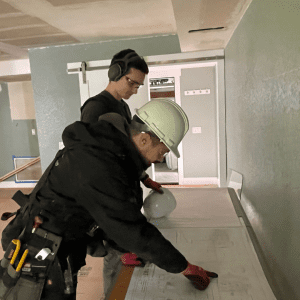
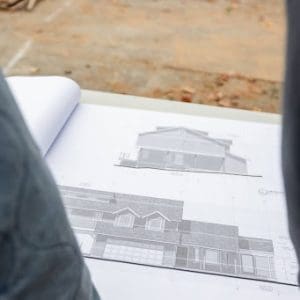
A whole-home remodel involves updating or reconfiguring most, if not all, of your living spaces during one comprehensive project. This can include kitchen upgrades, bathroom renovations, new flooring, fresh paint, layout changes, and more—executed all at once.
Benefits of a Whole-Home Remodel:
- Design Consistency: Everything is updated together, making it easier to create a cohesive style throughout the home.
- Project Efficiency: Since all work happens simultaneously, it often takes less time overall.
- Cost Savings: Bulk purchasing materials and streamlining labor can reduce the total cost per square foot.
- Reduced Long-Term Disruption: You may have to vacate temporarily, but you’re only living through the renovation once.
Drawbacks:
- Larger Upfront Cost: A comprehensive remodel requires significant financial planning or financing.
- Higher Stress Levels: Managing a major renovation, even with professional help, can feel overwhelming.
- Limited Flexibility: Once the plan is in motion, it’s harder to make changes.
What Is Phased Remodeling?
Phased remodeling means completing your home renovations in stages—perhaps starting with the kitchen, then the bathrooms, and moving to bedrooms or flooring later.
Key Advantages:
- Budget Flexibility: You can pay as you go, rather than securing a large loan.
- Lifestyle Convenience: You can often stay in your home during renovations.
- Design Flexibility: Learn from each phase and adjust future designs accordingly.
Potential Disadvantages:
- Longer Timeline: Completing your dream home could take years.
- Repeated Disruptions: Each phase brings its own construction noise, dust, and downtime.
Higher Long-Term Costs: You may pay more in the end due to repeated mobilization, permit fees, and inflation.
Cost Comparison: Upfront vs. Over Time
Whole-Home Remodel:
- Requires larger upfront capital.
- Offers potential discounts on bulk materials.
- Minimizes repeated labor setup costs.
- Can be financed with a single loan.
Phased Remodel:
- Smaller, more manageable financial chunks.
- More flexibility to adjust spending and scope.
- Risk of rising costs between phases (inflation, material price changes).
- May result in higher cumulative spending.
Bottom line: If you can afford the upfront cost, a whole-home remodel may offer better value. But if financial flexibility is key, phasing your project can reduce immediate pressure.
Time and Efficiency: Which Is Faster?
A whole-home remodel typically has a faster overall timeline because all trades are working in tandem. However, it may require you to move out temporarily.
Phased remodeling allows you to stay put but can stretch the project over years. While each project may only take weeks or months, spacing them out adds time and delays your full vision.
Design and Style: Consistency vs. Adaptability
Whole-home remodeling gives you the chance to work with your contractor or designer to create a unified style throughout your home. This is perfect if you want a polished, intentional aesthetic.
Phased remodeling gives you the opportunity to adjust. You can remodel your kitchen today and choose an entirely different style for your bathroom a year later. But this can result in design inconsistencies unless you’re careful with planning.
Which Causes More Disruption?
- Whole-Home Remodel: Greater short-term disruption, but it’s over faster.
- Phased Remodel: Less disruptive per phase, but the interruptions occur repeatedly over time.
If you work from home, have young kids, or want to avoid multiple rounds of inconvenience, a whole-home approach may be more efficient.
Long-Term Value and ROI
Whole-Home Remodel:
- Increases home value quickly.
- Makes your property more appealing to buyers if you plan to sell soon.
- May improve energy efficiency, layout, and livability all at once.
Phased Remodel:
- Offers financial flexibility for those planning to stay long-term.
- Allows room for evolving trends or household needs.
Tip: No matter which you choose, prioritize high-impact areas like kitchens and bathrooms to maximize ROI.
When Is a Whole-Home Remodel the Better Choice?
Choose a whole-home remodel when:
- You need a complete transformation.
- You want a consistent design style.
- You plan to sell soon and want a top-dollar listing.
- You prefer to “rip off the band-aid” and complete everything at once.
When Is Phased Remodeling Smarter?
Choose a phased remodel when:
- You’re working with a limited or evolving budget.
- You prefer staying in your home during renovations.
- You want the ability to make changes between phases.
- You’re updating non-essential spaces or rooms used infrequently.
Hidden Costs to Watch Out For
Both strategies come with unexpected costs. Here’s what to keep in mind:
Whole-Home Remodel:
- Temporary housing costs if you move out.
- Unforeseen issues (e.g., plumbing, electrical) uncovered during demo.
- Scope creep due to changing your mind mid-project.
Phased Remodel:
- Repeated permit and labor setup fees.
- Cost inflation for materials over time.
- Potential mismatches in product availability or finish consistency.
Tips for Successful Remodeling (Either Way)
- Set a realistic budget—and add 10–20% for contingencies.
- Create a detailed project plan and timeline.
- Work with licensed, experienced professionals.
- Communicate clearly about expectations and timelines.
- Think long-term about how your family will use the space.
Work with MacCoy Home Solutions
Whether you’re planning a whole-home remodel or taking it one room at a time, MacCoy Home Solutions brings the same level of care, quality, and professionalism to every project.
We’ll help you:
- Create a remodeling plan that fits your goals and lifestyle.
- Prioritize spaces and maximize your return on investment.
- Execute with expert craftsmanship and clear communication.
Get Your Free Home Remodeling Estimate
Explore Our Remodeling Services
FAQs
Which option saves more money long-term?
Whole-home remodeling can save on materials and labor but requires a larger upfront investment. Phased remodeling spreads costs but may lead to higher overall expenses due to inflation and repeated mobilization.
Can I live at home during a remodel?
It depends on the scale. Many homeowners stay in place during phased remodels. For whole-home renovations, you may need to relocate temporarily.
How do I choose the right contractor for either option?
Look for a contractor with experience in both phased and whole-home remodels. Ask for examples, check reviews, and ensure clear communication and detailed planning.